GEOTECHNICALENGINEERING
VANCOUVER

Geotechnical Engineering in Vancouver

Knowledgeable. Thorough. Resourceful.

LEARN MORE

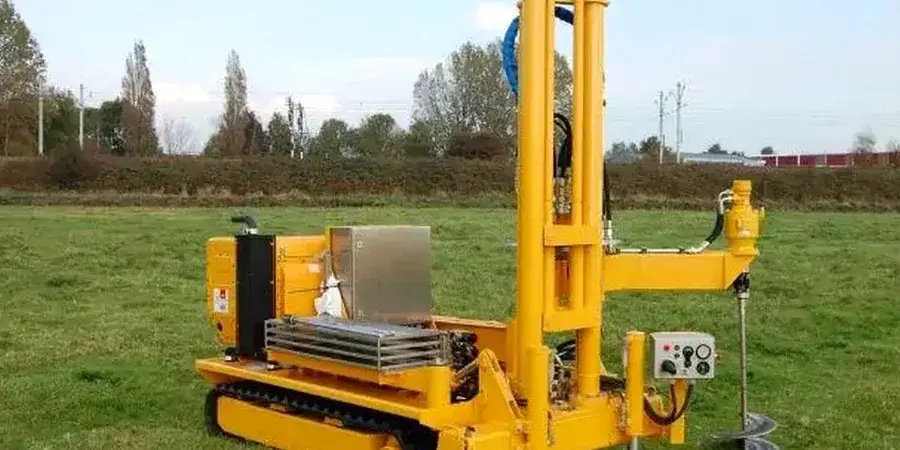
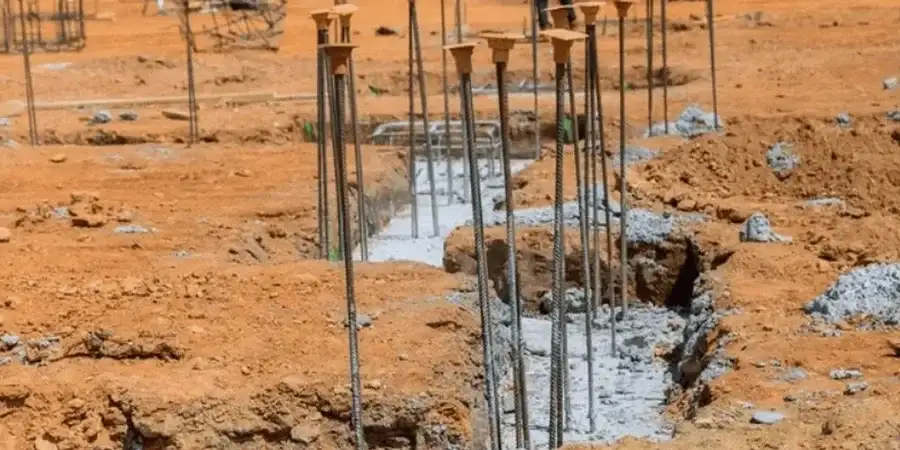
The most expensive mistake we see in Vancouver construction? Treating all soil like it's the same. A developer assumes the glacial till in Kitsilano will behave like the fill on Granville Island. It does not. Then the retaining wall cracks. The foundation settles. The city inspector red-tags the excavation. A proper soil mechanics study prevents this chain reaction. Vancouver's geology shifts dramatically within a few blocks—from dense lodgement till to soft marine silt to loose Fraser River sand. Our laboratory testing quantifies shear strength, compressibility, and permeability so your structural engineer designs for what is actually underground. We run triaxial tests, consolidation tests, and direct shear following ASTM protocols. Before breaking ground in the Lower Mainland, knowing your bearing capacity and settlement parameters is not optional. It is the difference between a project that stays on budget and one that bleeds contingency funds before framing begins. For sites with deep soft clay layers, stone columns often become the practical path to a buildable pad without full excavation replacement.

Vancouver soils can change from lodgement till to marine silt within 50 meters. A soil mechanics study maps that transition before it becomes a construction dispute.
Geotechnical Engineering in Vancouver
Technical reference — Vancouver

Our service areas

Local geology

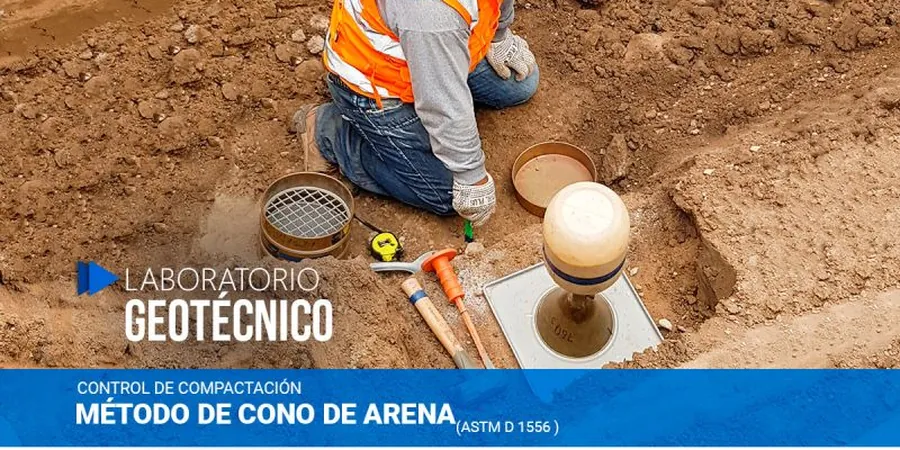
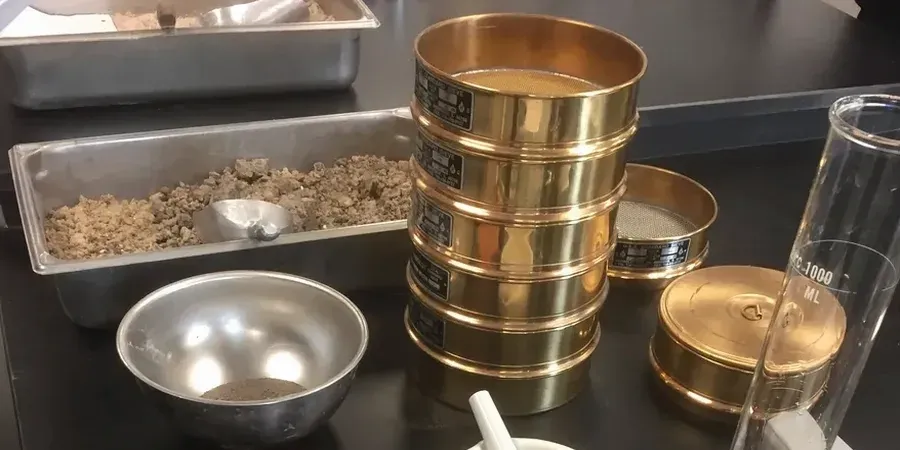
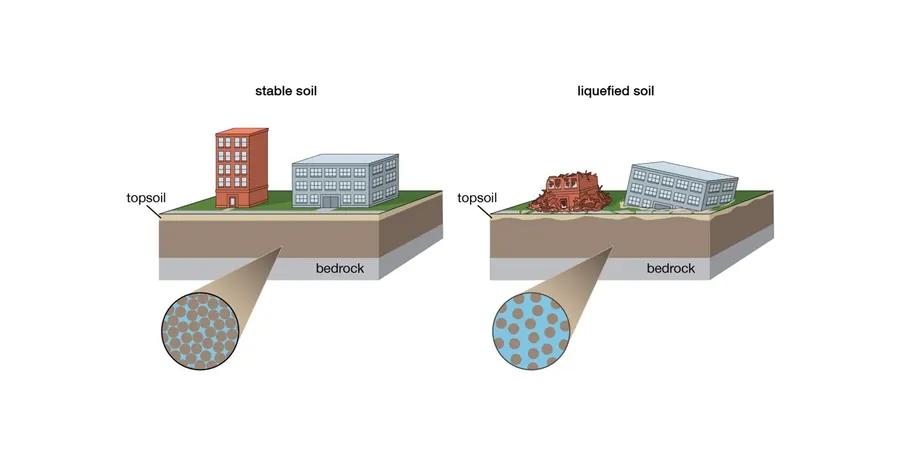
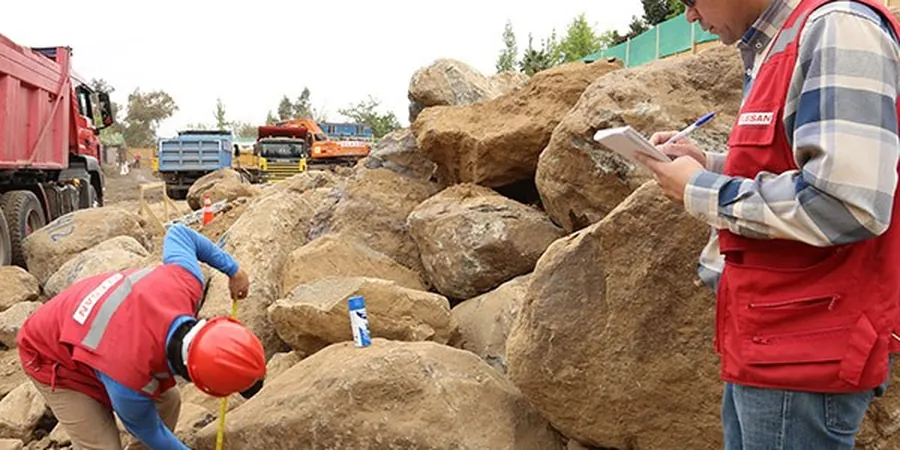
Compare a site in South Vancouver with one up on the North Shore. South Vancouver often sits on thick sequences of compressible marine clay—the unit that caused the 1950s settlement problems along the Arbutus corridor. The North Shore projects typically encounter ablation till with boulders, or colluvium at the base of the escarpment. Same city. Completely different soil mechanics challenges. Our study protocols adapt immediately. For the clay site, we prioritize consolidation testing to forecast long-term settlement. For the till site, we focus on large-particle triaxial testing and careful logging of boulder frequency. We use undisturbed Shelby tube samples for sensitive clays and block sampling where fabric preservation matters. The lab runs Atterberg limits, grain size distribution, and moisture-density relationships on every sample. When liquefaction potential is a concern—common in Richmond and Delta—we complement the investigation with liquefaction analysis using SPT-based triggering methods. The data feeds directly into your engineer's bearing capacity calculations and settlement predictions. No generic assumptions. Every parameter tied to a specific Vancouver stratigraphic unit.

Applicable standards

NBCC 2020 (National Building Code of Canada), CSA A23.3 (Design of Concrete Structures), ASTM D4767 (Triaxial CIU), ASTM D2435 (Consolidation), ASTM D2487 (Soil Classification), ASTM D4318 (Atterberg Limits)

Need a geotechnical assessment?

Reply within 24h.

Email: contact@geotechnicalengineering.vip

Why choose us

Vancouver's urban development tells a story written in soil. The post-war boom filled False Creek's tidal flats with industrial debris and dredged material. Downtown's West End rose on a foundation of dense till, but its edges creep onto softer sediments. This history matters for soil mechanics. Fill soils are unpredictable—pockets of organics, buried timber, old seawall fragments. A study that only samples to shallow depth misses the compressible layer at 8 meters that will settle unevenly under a tower's footprint. The city's seismic setting compounds the risk. A magnitude 7 event on the Cascadia subduction zone or a shallow crustal quake under the Strait of Georgia triggers different failure mechanisms. Cyclic softening in sensitive clays. Flow liquefaction in loose Fraser River sands. Our laboratory program quantifies these risks with site-specific parameters so the structural design accounts for both static and seismic load cases.

Technical parameters

ParameterTypical value
Effective friction angle (triaxial CIU)28°–38° (typical for glacial till)
Undrained shear strength (clay)25–120 kPa (marine vs. weathered clay)
Compression index Cc0.15–0.35 (Vancouver silty clay)
Coefficient of permeability k10⁻⁵ to 10⁻⁹ m/s
Liquefaction screeningSeed-Idriss simplified procedure
Unit weight range16–21 kN/m³
Sample typeShelby tubes, block samples, SPT splits
Reporting standardCSA A23.3 / ASTM D2487 classification

Frequently asked questions

How long does a soil mechanics study take for a single-family lot in Vancouver?

For a standard lot with one borehole, field work typically takes one day. Laboratory testing runs 10 to 14 business days, depending on the clay content and whether consolidation tests are required. The final report is usually delivered within three weeks of drilling.

What does a soil mechanics study cost in Vancouver?

Budget between CA$4,720 and CA$8,060 for a typical residential investigation, including drilling, sampling, laboratory testing, and the final report. Complex sites with deep soft clays or multiple boreholes will fall at the higher end.

Do you handle the City of Vancouver permit submission?

We provide the sealed geotechnical report that your structural engineer includes with the building permit package. The report addresses the specific requirements of the Vancouver Building By-law and NBCC. We can coordinate directly with your architect or permit expediter.

Location and service area

We serve projects across Vancouver and its metropolitan area.

View larger map