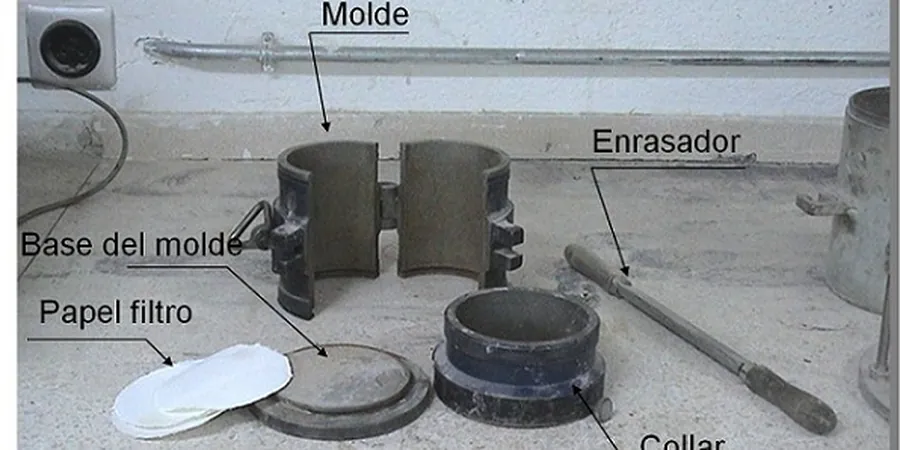
Vancouver’s rapid expansion from a mill town on the Burrard Inlet to a dense metropolitan center has placed enormous pressure on its available land base. Much of the city south of False Creek sits on glacial till overlaid by softer deposits, while areas near the Fraser River delta feature deep compressible silts requiring strict compaction control during fill placement. Every cubic meter of engineered fill in a city that receives over 1,100 mm of annual rainfall demands a precise understanding of how that soil behaves under mechanical effort. Our materials laboratory runs Proctor tests on samples collected from sites stretching from Kitsilano to Surrey, establishing the moisture-density relationship that field crews rely on for their nuclear gauge readings. The sand cone density method often serves as the field verification companion, especially where shallow utilities complicate nuclear gauge use. Without a properly developed Proctor curve, even well-intentioned compaction can result in settlement or pavement failure within the first wet season.
A 2% deviation in compaction moisture can reduce CBR strength by 30% on Vancouver’s silty till subgrades.